

Quick Answer
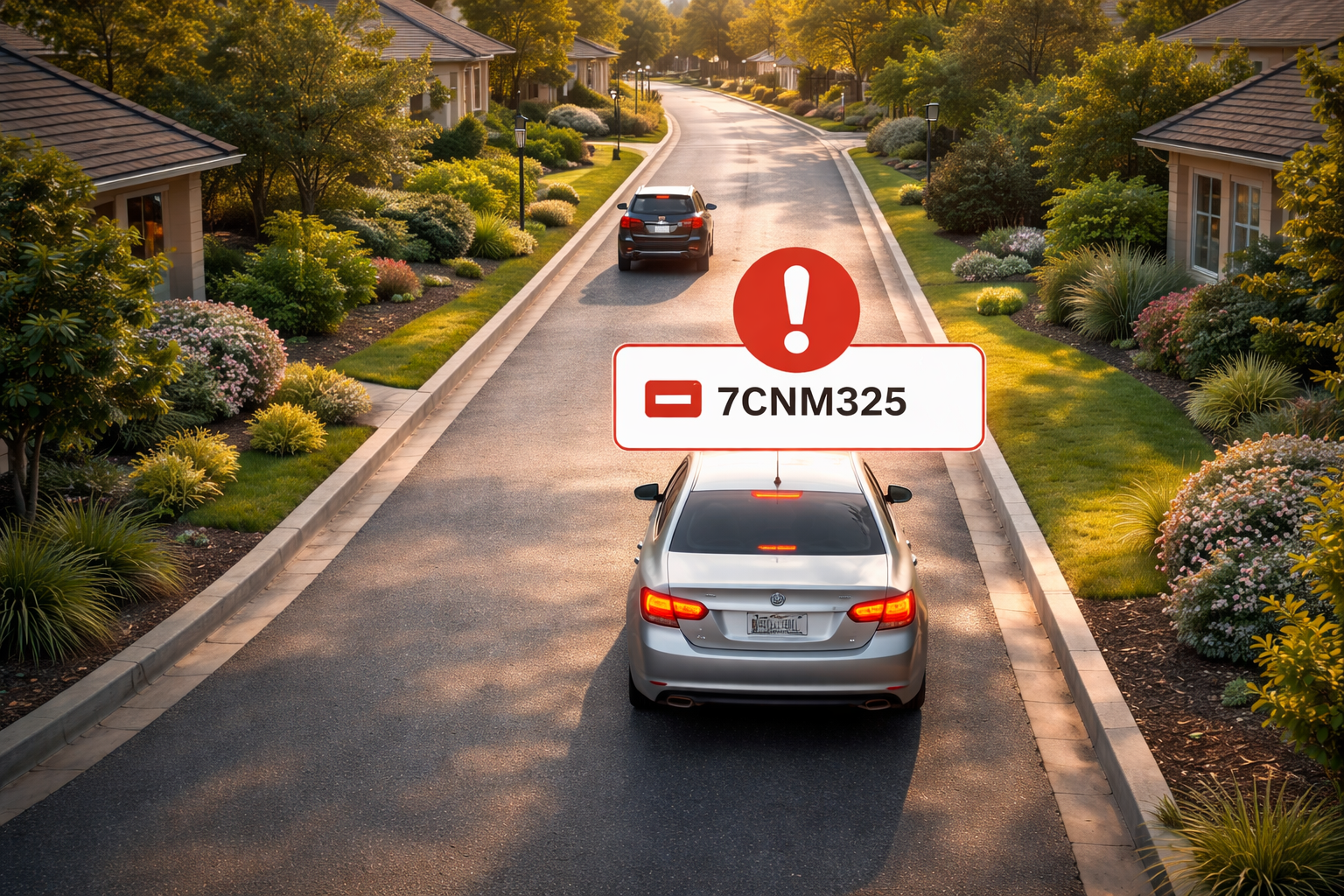
A vehicle alert system for HOAs monitors incoming vehicles using license plate recognition (LPR) cameras and automatically sends alerts when a flagged vehicle enters the community. These systems compare plates against watch lists or BOLO databases and notify guards or managers instantly so action can be taken before the vehicle reaches the property.
What Is a Vehicle Alert System for an HOA?
A vehicle alert system for an HOA is a security technology that automatically identifies and alerts staff when a specific vehicle enters or approaches a gated community.
These systems are typically built on top of license plate recognition (LPR) technology, which captures vehicle license plates using specialized cameras. The captured plate numbers are then analyzed and compared against configured alert lists.
A typical vehicle alert system includes:
-
License plate recognition cameras positioned at community entrances
-
Watch lists or BOLO lists containing vehicles of interest
-
Real-time alert notifications sent to security personnel
-
A centralized security dashboard for monitoring activity
Instead of relying on guards to manually recognize suspicious vehicles, the system performs the identification automatically. As a vehicle approaches a gate or roadway, the system scans the plate and immediately checks it against configured alert lists.
If a match occurs, the platform generates an alert so the guard or property manager can take action.
This automation dramatically improves the ability of HOAs to identify potential threats before they enter the community.
Why HOAs Are Deploying Vehicle Alert Systems
Homeowners associations are responsible for maintaining a safe and secure environment for residents. As communities grow larger and vehicle traffic increases, manual monitoring becomes difficult.
Guards cannot realistically remember every suspicious vehicle or plate number.
Vehicle alert systems solve this challenge by allowing communities to automatically detect vehicles that may pose a risk.
Common security concerns HOAs face include:
-
Stolen vehicles entering the community
-
Known trespassers returning to the neighborhood
-
Suspicious vehicles driving through multiple streets
-
Non-resident vehicles accessing community amenities
-
Vehicles previously associated with theft or vandalism
Without an automated alert system, identifying these vehicles usually happens after an incident occurs.
Security teams often rely on reviewing footage after a problem has already taken place.
Vehicle alert systems shift the approach from reactive investigation to proactive detection.
Instead of asking “What happened?”, the community can identify vehicles of interest as they arrive and respond immediately.
This proactive model is why many gated communities, master planned neighborhoods, and private residential developments are now deploying vehicle alert systems.
How a Vehicle Alert System Works
Vehicle alert systems follow a straightforward workflow that allows security teams to monitor vehicle activity automatically.
Step 1: Vehicle Approaches the Community
As a vehicle approaches the entrance of a gated community or monitored roadway, it passes within view of a license plate recognition camera.
These cameras are designed specifically to capture license plates accurately in different lighting and weather conditions.
Step 2: The LPR Camera Reads the License Plate
The camera captures an image of the vehicle and uses optical recognition software to extract the license plate number.
This process typically happens within milliseconds.
The plate data is then sent to the security platform.
Step 3: The System Checks the Plate Against Alert Lists
The captured plate is automatically compared against configured lists such as:
-
BOLO vehicle lists
-
Stolen vehicle lists
-
Trespasser vehicle lists
-
Community watch lists
If the plate does not match any alerts, the system simply logs the plate for historical search and reporting.
If the plate does match an alert, the system immediately triggers a notification.
Step 4: Real-Time Alerts Are Sent
Once a match is detected, the system sends alerts to the appropriate personnel.
Alerts may appear in several ways:
-
Guardhouse monitoring screens
-
Mobile push notifications for security staff
-
Email notifications to property managers
-
Dashboard alerts inside the security platform
These alerts allow staff to quickly verify the situation and respond accordingly.
Step 5: Security Responds
Depending on the community’s policies, the response may include:
-
Verifying the vehicle with the driver
-
Denying entry at the gate
-
Contacting local law enforcement
-
Logging the activity for future monitoring
The goal is to provide security teams with immediate situational awareness
Types of Alerts HOAs Typically Configure
Vehicle alert systems are flexible and allow communities to configure several different types of alerts depending on their security needs.
Some of the most common alert categories include:
BOLO Vehicle Alerts
BOLO stands for “Be On the Lookout.” These alerts flag vehicles associated with suspicious activity, theft reports, or ongoing investigations.
Stolen Vehicle Alerts
Communities can configure alerts for vehicles reported stolen in nearby areas.
If a stolen vehicle enters the neighborhood, security can take action immediately.
Trespasser Vehicle Alerts
Vehicles associated with individuals who have been banned from the community can be added to a watch list.
If they attempt to return, security receives an alert.
Watch List Alerts
Communities often maintain general watch lists of vehicles that require monitoring due to past incidents.
Contractor Access Violations
If a contractor vehicle enters the community outside approved working hours, the system can generate an alert.
Expired Visitor Vehicle Alerts
Visitor vehicles that remain in the community longer than permitted can also trigger alerts.
This helps prevent long-term unauthorized parking.
Benefits of a Vehicle Alert System for HOA Communities
Vehicle alert systems provide several operational and security benefits for HOAs.
Major advantages include:
-
Faster response to suspicious vehicles
-
Reduced reliance on guard memory
-
Improved gate and perimeter security
-
Clear audit trail for investigations
-
Better visibility into vehicle activity
-
Increased resident confidence in community safety
These systems also improve consistency.
Security policies are applied automatically rather than depending on individual guard awareness.
For communities with multiple entrances or high vehicle traffic, automated alerts significantly improve monitoring coverage.
Features to Look for in a Vehicle Alert System
Not all vehicle monitoring systems provide the same capabilities. HOAs evaluating a solution should focus on features that support proactive security.
Important features include:
Real-Time Alerts
The system should notify security personnel immediately when a flagged vehicle appears.
Delayed alerts reduce the ability to respond.
High-Accuracy License Plate Recognition
Accuracy is critical. Poor plate recognition leads to missed alerts or false positives.
Watch List Management
Administrators should be able to easily add or remove vehicles from alert lists.
Mobile Notifications
Security personnel often move around large communities. Mobile alerts ensure they receive notifications anywhere.
Integration With Visitor Management Systems
A vehicle alert system works best when integrated with visitor management software so security can see the full context of a vehicle entry.
Historical Plate Search
Security teams should be able to search plate history to investigate past incidents or verify vehicle activity.
Vehicle Alerts vs Standard LPR Systems
Many communities install license plate recognition cameras but never activate alerting functionality.
This creates an important distinction between basic LPR systems and vehicle alert systems.
| Feature | Basic LPR | Vehicle Alert System |
|---|---|---|
| Plate capture | ✓ | ✓ |
| Historical search | ✓ | ✓ |
| Real-time alerts | ✗ | ✓ |
| BOLO watch lists | Limited | ✓ |
| Guard notifications | ✗ | ✓ |
A standard LPR system primarily logs vehicle activity for later review.
A vehicle alert system actively monitors plates and notifies security in real time.
This difference determines whether the technology is used reactively or proactively.
Example: How an HOA Uses Vehicle Alerts
Consider a real-world scenario.
A vehicle has been reported in connection with package theft in a nearby neighborhood. The community adds the vehicle’s license plate to the watch list.
Later that week, the vehicle approaches the entrance gate.
The LPR camera reads the plate and instantly matches it against the watch list.
Within seconds, an alert appears on the guardhouse dashboard and is also sent to the property manager’s mobile device.
Security is able to stop the vehicle before it enters the neighborhood.
Without the alert system, the vehicle would likely have entered unnoticed.
Where Proptia Fits
Modern HOA security platforms combine multiple technologies to provide comprehensive vehicle monitoring.
Proptia’s vehicle data capture and alerting tools are designed specifically for gated communities and residential properties.
The platform integrates:
-
License plate recognition systems
-
BOLO and watch list management
-
Real-time vehicle alerts
-
Guardhouse monitoring dashboards
-
Visitor and resident vehicle records
Proptia also incorporates an intelligence layer, which enhances vehicle monitoring by analyzing plate data across multiple sources and identifying vehicles that require attention.
This intelligence-driven approach allows communities to move beyond simple plate logging and implement a proactive vehicle alert system.
For HOAs looking to improve gate security, reduce manual monitoring, and respond quickly to suspicious vehicles, a vehicle alert system provides a powerful layer of protection.
Entity Snapshot
Homeowners Association (HOA)
An organization responsible for managing residential communities, enforcing rules, and maintaining shared property.
License Plate Recognition (LPR)
Camera technology that automatically captures and converts license plates into searchable data.
BOLO List
A “Be On the Lookout” alert list used to flag vehicles associated with suspicious activity or investigations.
Vehicle Alert System
Security software that detects vehicles of interest and sends real-time notifications to security teams.
Visitor Management System
Software used by communities to manage guest access and track visitor vehicles.