

Quick Answer
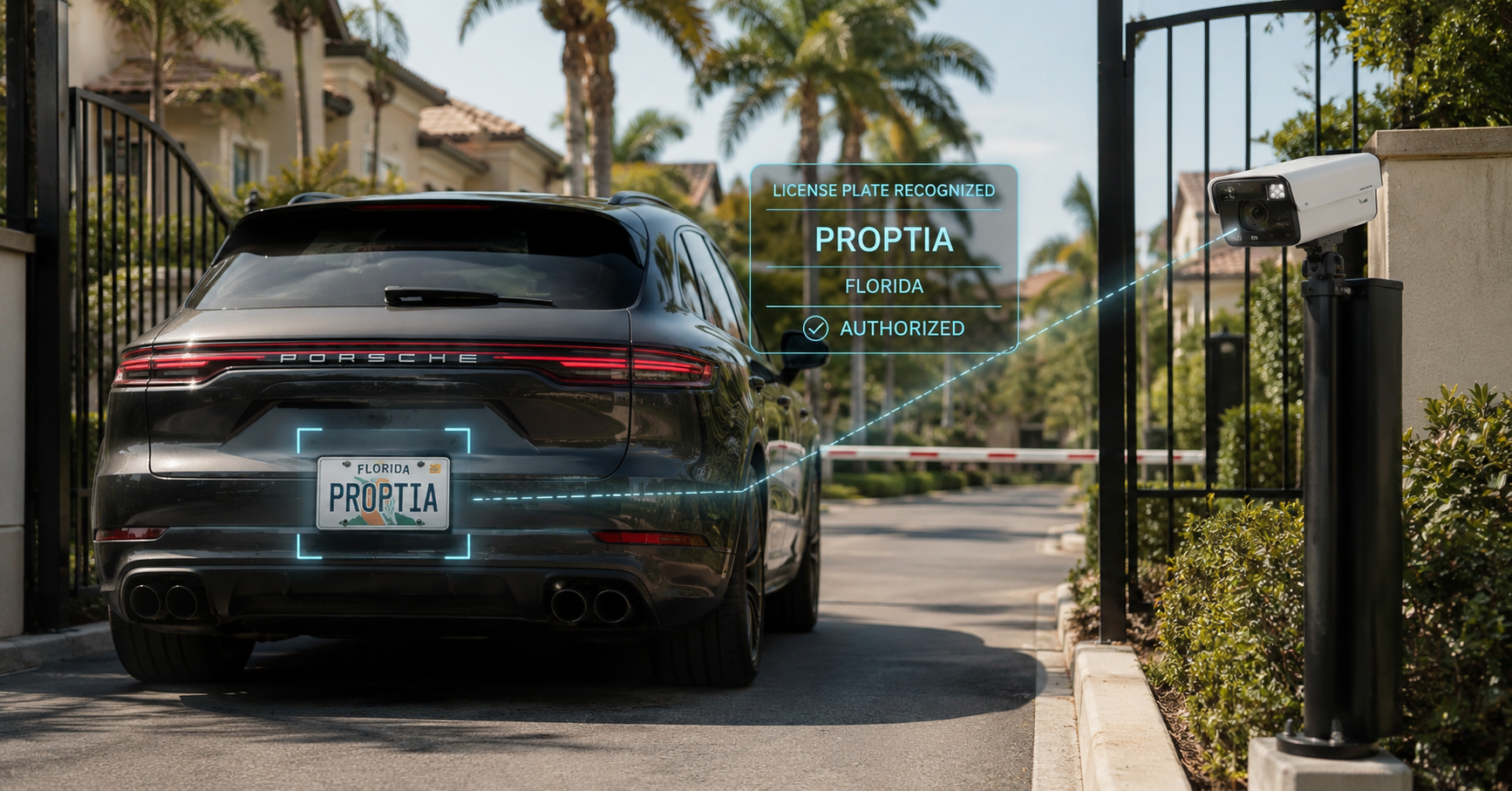
LPR systems Miami residential communities use cameras to read license plates and automate vehicle entry and tracking. They reduce gate delays, improve security visibility, and streamline access for residents, guests, and vendors without relying on manual guard processes.
What’s Actually Happening in Miami Residential Communities
In many Miami residential communities, the gate is where daily friction shows up. Morning outbound traffic stacks up, while afternoons bring a mix of residents, vendors, and deliveries trying to get in at once.
Guard staff are often switching between checking IDs, searching names, and answering resident calls. In communities with multiple access points or shared amenities, this only increases the pressure on gate operations.
The result is inconsistent entry times and limited visibility into who actually entered and when. For HOAs, that turns into complaints, security gaps, and heavier reliance on guard performance.
Where Traditional Approaches Break Down
Manual processes simply do not scale well in active communities.
- Paper logs or basic spreadsheets get skipped during busy periods
- Guards rely on memory or incomplete visitor lists
- Resident directories are not always updated in real time
These gaps create real consequences.
Vehicles enter without proper verification. Delivery drivers get waved through during peak hours. When incidents happen, there is no reliable record to review.
Even with basic HOA access control systems, the lack of automated vehicle identification creates bottlenecks. Every car still requires some level of manual interaction.
How Modern LPR Systems Miami Residential Communities Use Actually Work
Modern license plate recognition for gated communities shifts the process from reactive to automated. Instead of stopping every vehicle, the system identifies and logs activity as cars approach.
Resident Access
Registered license plates trigger automatic gate entry. Residents move through without stopping or presenting credentials.
Visitor Management
Guests can be pre-registered by residents. When they arrive, their plate is recognized and matched to an active invitation.
Vendor and Service Entry
Recurring vendors such as landscapers, maintenance crews, and contractors can be assigned scheduled access windows tied to their vehicles.
Entry Validation
Unknown plates trigger alerts or require guard review. Staff shift from data entry to decision-making.
Activity Tracking
Every entry and exit is logged automatically, creating a searchable record without manual effort.
These systems often tie into broader security and visitor management platforms, giving communities a clearer picture of daily vehicle flow.
What Improves Immediately After Implementation
The first noticeable change is speed.
Vehicles no longer stop for routine checks. Residents drive through without interruption. Guest entry becomes predictable instead of variable.
That shift improves several areas at once:
- Traffic lines at gates shrink during peak hours
- Guards spend less time typing and more time monitoring
- Residents stop calling the gate for access issues
There is also a clear improvement in accuracy. Entries are recorded consistently instead of only when staff remember to log them.
The Hidden Operational Advantages Most HOAs Miss
The biggest gains are often not the most obvious ones.
A Reliable Audit Trail
With LPR systems in place, communities gain a searchable, timestamped record of vehicle activity. When questions arise about a specific vehicle, information can be accessed instantly.
Improved Vendor Accountability
If a contractor arrives outside approved hours, the system can flag the event automatically. This reduces reliance on verbal approvals and inconsistent enforcement.
Reduced Guard Fatigue
When repetitive tasks are automated, guards can focus on exceptions instead of routine entries. Over time, this leads to fewer mistakes and better overall gate operations.
Proactive Security Alerts
Vehicle alert systems can flag plates associated with past incidents, denied access, or watchlists. This adds another layer of security without increasing workload.
How to Think About System Selection
Choosing an LPR system is less about features and more about operational fit.
Start by evaluating how your community functions day to day.
- If traffic volume is high, prioritize speed and automation
- If security concerns are greater, focus on validation controls and alerting
- If staffing is inconsistent, prioritize systems that reduce dependence on guard intervention
Integration is another key factor. Some communities want a full replacement, while others need LPR technology to work alongside existing gate systems, telephone entry systems, or visitor management processes.
Modern platforms like Proptia are designed to be modular, allowing communities to layer in LPR, visitor management, mobile credentials, and access control without replacing everything at once.
Common Misjudgments That Lead to Poor Decisions
Focusing Only on Upfront Cost
Lower-cost systems often lack accuracy, automation, or integration capabilities. While the initial investment may be smaller, operational inefficiencies can create higher costs over time.
Underestimating Future Growth
Miami communities continue to experience growing delivery volume, vendor traffic, and resident expectations. A solution that works today may struggle if it cannot scale with demand.
Over-Relying on Manual Processes
Staffing remains important, but manual workflows rarely provide the consistency, reporting, and visibility that automated systems deliver.
How This Fits Into an Existing Community Setup
Most HOAs do not need to replace their existing infrastructure to adopt LPR.
These systems can be added at key entry points while keeping existing gates, staffing models, and access control tools in place. Communities can then expand automation over time as needs evolve.
This phased approach minimizes disruption and allows boards to evaluate performance before committing to broader operational changes.
Conclusion
LPR systems Miami residential communities rely on are not just about convenience. They solve real operational challenges at the gate, where delays, bottlenecks, and inconsistencies tend to accumulate.
With better visibility, faster vehicle processing, and less dependence on manual procedures, communities can improve both security and resident experience.
The key is selecting a solution that aligns with actual traffic patterns, staffing realities, and long-term operational goals.
Platforms like Proptia demonstrate how LPR can become part of a broader security and visitor management strategy without requiring a complete overhaul of existing systems.
Key Terms Explained
License Plate Recognition (LPR)
A camera-based technology that reads and records vehicle license plates for identification, tracking, and access control purposes.
Access Control
The process of determining who can enter or exit a property, building, gate, or amenity area.
Visitor Management
Software and workflows used to approve, track, and manage guest access before arrival.
Vehicle Alert Systems
Features that notify staff when flagged, unauthorized, or watchlisted vehicles enter the property.
FREQUENTLY ASKED QUESTIONS
How accurate are LPR systems in real-world conditions?
Can LPR work with existing gates and call boxes?
How do LPR systems handle high-traffic periods?
What drives the cost of an LPR system?
Do LPR systems eliminate the need for guards?
What happens when a plate is not recognized?
Is LPR suitable for smaller communities?
Get in Touch
Learn how Proptia combines LPR, visitor management, and access control in a single platform.
Schedule a Demo Now!